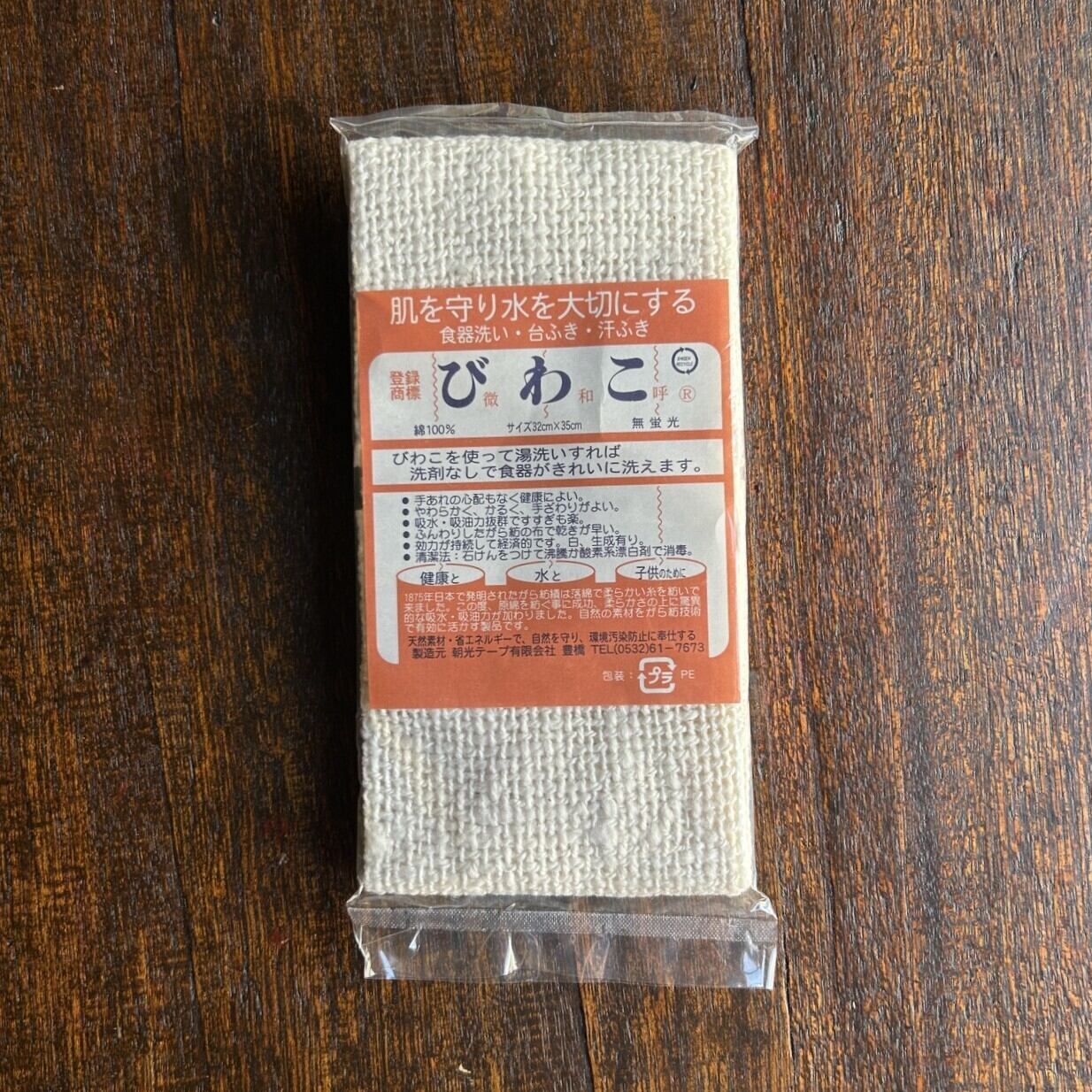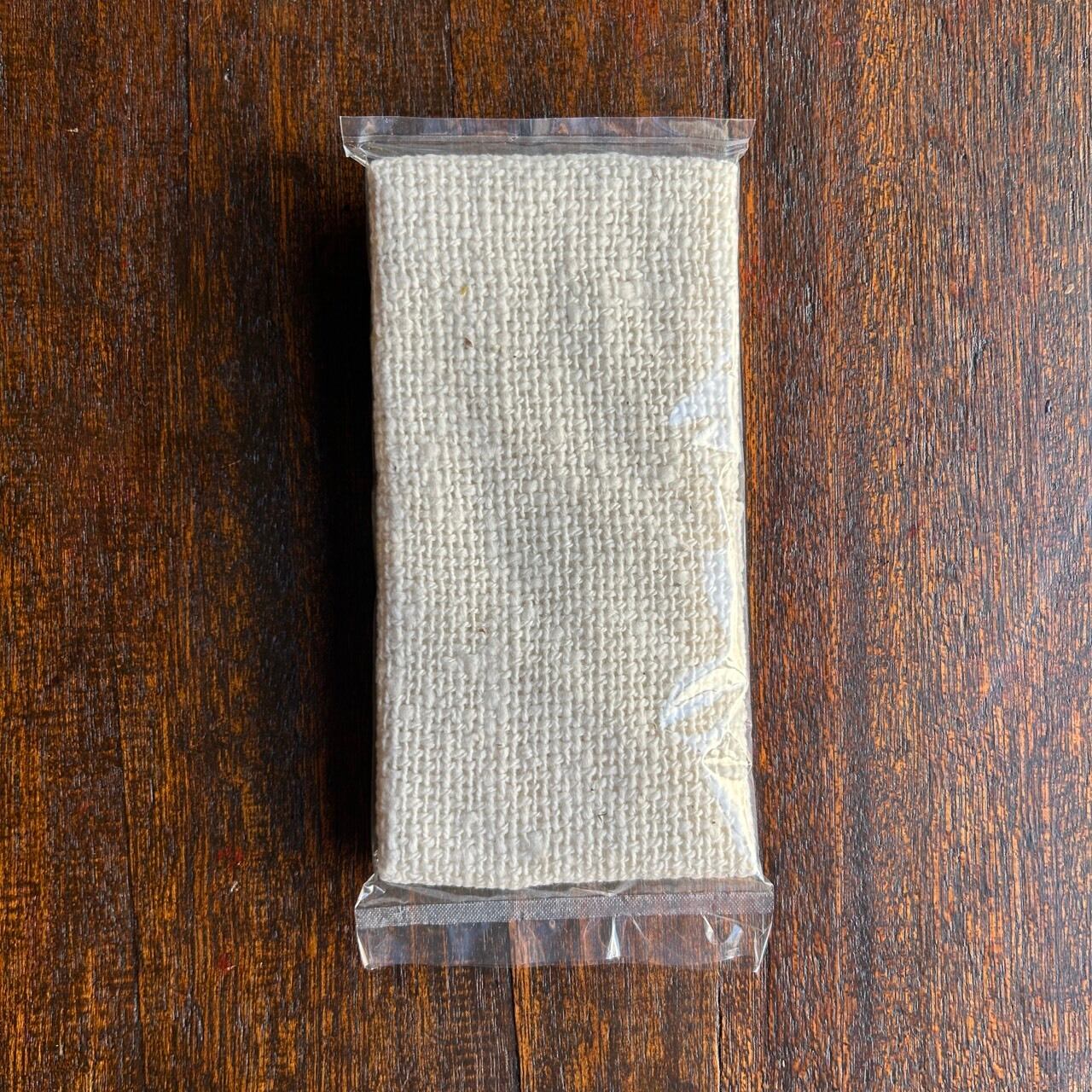


びわこふきん/ Eco-friendly cotton dishcloth
¥550($3.50)
International shipping available
この商品は1点までのご注文とさせていただきます。
English below.
「金継ぎ作品」「漆器」「クリスタルガラス」など
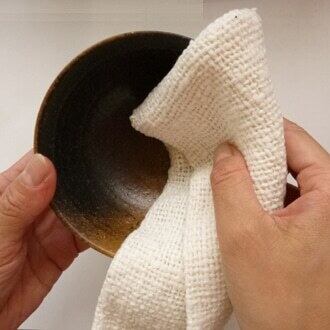
デリケートなうつわを洗浄するのにピッタリな、ガラ紡製。
水または、ぬるま湯に浸して、うつわを拭くようにして洗います。
油汚れは、古紙で拭くか、石鹸成分で予洗いしておくとよいです。
通常の食器洗い時は、洗剤なしで十分汚れが落ちます。
びわこふきんが汚れてきたら、
鍋に重曹と水とふきんを入れて火にかけ
15分ほど煮るときれいになります。
素材)綿100%
サイズ)32×35cm(1/2~1/3に切ってもよい)
*製造量に限りがあるため、お一人様1点とさせていただきます。
-----------------------------------------
運営のまさよです。
以下、個人の主観になります。
私は、1980年代のはじめ、中学生のときに
光化学スモッグに霞む東京から京都に引っ越しました。
そのとき、水道水がカビ臭くて、驚いたことが忘れられません。
安全だと言われても、とても生水では飲めませんでした。
理由は「近畿の水がめ」と呼ばれる琵琶湖で
大量の赤潮が発生したこと。
赤潮の原因は、合成洗剤に含まれる「リン」でした。
1980年代前半にニュースで報道していたので、
覚えている方もいらっしゃるかもしれません。
その後、琵琶湖周辺住民の皆様が、
洗剤を使わない生活スタイルを模索する中で
生まれたのがびわこふきんです。
現在、スポンジ&合成洗剤をお使いの方は、
使い始めに違和感を感じますが、そのうち慣れます。
そもそも食器に付着した油は、合成洗剤や石鹸で流すよりも
紙などでぬぐったほうが環境負荷は少ないのです。
私にとって、汚れとは何か?を考えるきっかけになった商品です。
びわこふきんはスポンジと違って水を汚さず、
マイクロプラスチックも放出しません。
とても長持ちしますので、買い替えの手間も減ります。
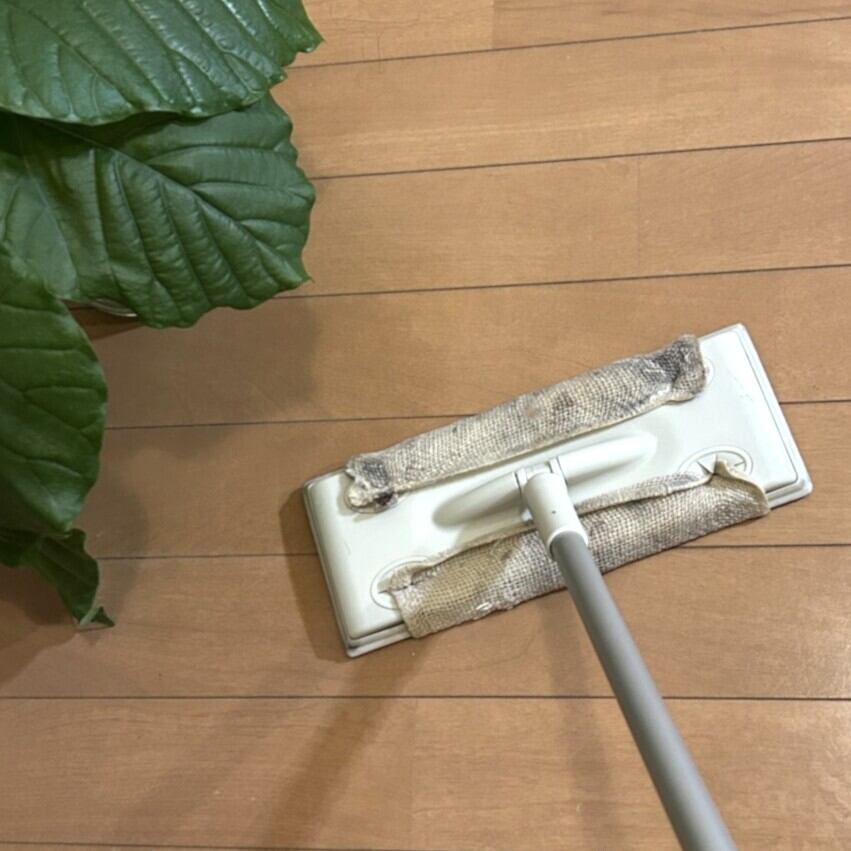
役目を終えたふきんは、ぞうきんとして利用できます。
わが家では、1~2年に1回買い替える際に、
古くなったびわこふきんをフローリングそうじに使っています。
(最後の画像)
- - - - - - - - - - - -
Biwako Fukin (Traditional Japanese Dishcloth)
Made using garabo-spun cotton,
this cloth is ideal for cleaning delicate tableware such as
Kintsugi-repaired pieces, urushi lacquerware, and crystal glass.
How to Use
Soak the cloth in water or lukewarm water,
then gently wash the dish as if wiping it.
For oily residue, it is recommended to wipe the surface first with scrap paper
or pre-wash lightly with a soap-based cleanser.
For regular dishwashing, no detergent is needed—the cloth removes dirt effectively on its own.
How to Care for the Cloth
When the cloth becomes dirty:
Place the cloth in a pot with water and baking soda,
bring to a boil, and simmer for about 15 minutes.
It will come out clean and refreshed.
Product Details
Material: 100% cotton
Size: 32 × 35 cm
(Can be cut into halves or thirds if desired)
Due to limited production, purchases are limited to one item per person.
A Personal Note from Masayo (Shop Owner)
What follows is my personal experience and perspective.
In the early 1980s, when I was in junior high school,
I moved from Tokyo—often shrouded in photochemical smog—to Kyoto.
I still vividly remember being shocked by the musty smell of the tap water.
Even though it was said to be safe, I could not bring myself to drink it untreated.
The reason was the massive red tide outbreaks in Lake Biwa,
often referred to as “the water reservoir of the Kansai region.”
The cause was phosphorus contained in synthetic detergents.
This issue was widely reported in the news in the early 1980s,
and some of you may remember it as well.
As residents around Lake Biwa searched for detergent-free lifestyles,
the Biwako Fukin was born.
If you currently use sponges and synthetic detergents,
this cloth may feel unfamiliar at first—but you will soon get used to it.
In fact, wiping oil off dishes with paper before washing
places far less burden on the environment
than washing everything away with synthetic detergents or soap.
For me, this product became an opportunity to rethink
what “dirt” really is.
Unlike sponges, the Biwako Fukin does not pollute the water
and does not release microplastics.
It is also very durable, reducing the need for frequent replacement.
Once it has served its purpose, it can be reused as a cleaning rag.
In our home, when we replace our Biwako Fukin every one to two years,
we reuse the old one for cleaning wooden floors.
(Shown in the final image.)